
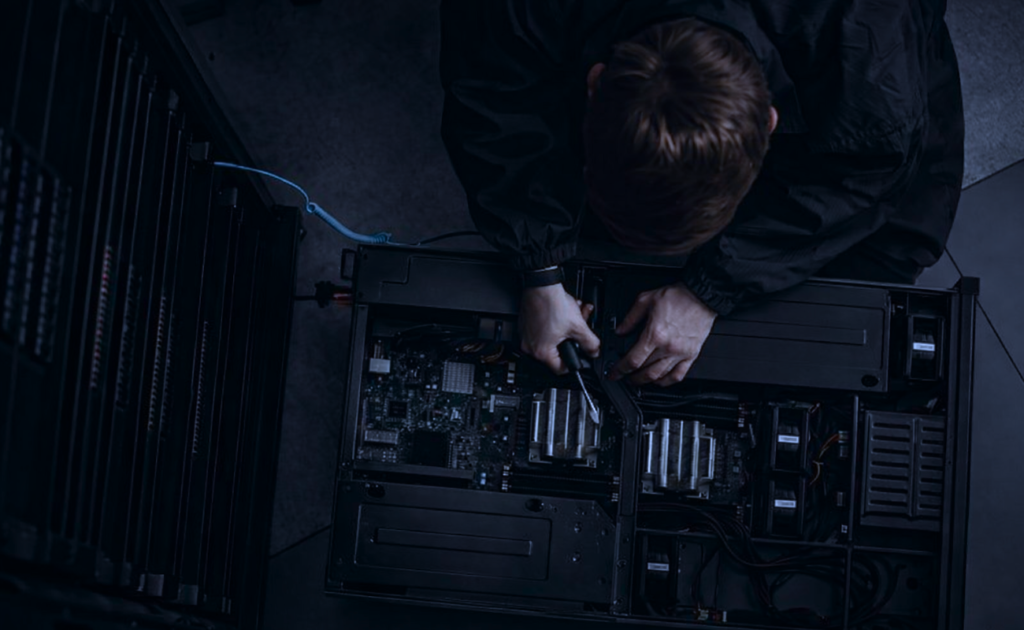
Server Decommissioning: How to Recover Value from Old Hardware
Turning Old Servers into Business Value
As organizations modernize IT infrastructure, servers eventually reach the end of their operational life. Proper server decommissioning: how to recover value from old hardware ensures that businesses can minimize risks, free up physical space, and even generate revenue from unused assets.
Decommissioning is more than just disposal—it’s a strategic approach to extract maximum value while maintaining security and sustainability.
Why Server Decommissioning Matters
Many companies underestimate the importance of server decommissioning: how to recover value from old hardware. Retaining outdated servers can lead to:
-
Wasted physical space in data centers
-
High energy and cooling costs
-
Increased maintenance overhead
-
Security vulnerabilities due to unsupported firmware
Proper decommissioning mitigates these risks and lays the foundation for future IT upgrades.
Step 1: Planning the Decommissioning Process
Effective server decommissioning starts with careful planning. Key steps include:
-
Inventory audit: List all hardware components, including servers, storage devices, and network equipment
-
Data classification: Identify sensitive data and plan secure removal
-
Timeline and logistics: Schedule equipment removal to minimize disruption
-
Compliance check: Ensure adherence to industry regulations and corporate policies
A structured plan maximizes both operational safety and financial recovery.
Step 2: Data Security and Sanitization
Data protection is critical during server decommissioning: how to recover value from old hardware. Improper handling can result in breaches or regulatory penalties.
Best practices include:
-
Full data wipe using certified software
-
Physical destruction of drives when necessary
-
Documentation of data erasure for compliance audits
-
Third-party IT asset disposition (ITAD) services for secure handling
Secure data sanitization ensures risk-free asset resale or recycling.
Step 3: Assessing Hardware Value
Before disposing of old servers, companies should evaluate their resale potential. Server decommissioning: how to recover value from old hardware focuses on identifying high-value components:
-
Enterprise-grade servers from Dell, HPE, Lenovo, IBM, or Cisco
-
High-capacity storage units and RAID arrays
-
Network switches, firewalls, and routers
-
Memory modules, CPUs, and other upgradeable components
Even older generations can fetch significant returns on the secondary market.
Step 4: Reselling or Recycling Hardware
Once hardware is secured and evaluated, companies can choose between resale and recycling:
-
Resale: Partner with IT resellers, refurbishers, or auction platforms to recover monetary value
-
Recycling: Ensure certified recycling vendors handle obsolete equipment for environmental compliance
-
Donation: Offer working hardware to educational institutions or startups for social responsibility initiatives
Each option aligns with the goal of maximizing value while reducing e-waste.
Step 5: Optimizing Logistics and Vendor Selection
Partnering with trusted vendors ensures smooth server decommissioning: how to recover value from old hardware. Consider vendors that offer:
-
Pickup and transportation services
-
Onsite evaluation and asset assessment
-
Secure data wiping and certification
-
Immediate or scheduled payment for equipment
Choosing the right partner streamlines the process and safeguards corporate data.
Benefits of Proper Server Decommissioning
Strategic server decommissioning provides multiple advantages:
-
Financial gain: Recover capital from unused IT assets
-
Operational efficiency: Free up rack space and reduce power consumption
-
Data security: Eliminate risks associated with old or unpatched systems
-
Sustainability: Promote environmentally responsible e-waste management
-
Lifecycle management: Establish predictable refresh cycles for IT infrastructure
These benefits support long-term IT and business strategy.
Common Pitfalls to Avoid
While recovering value, companies should avoid mistakes:
-
Selling hardware without secure data erasure
-
Failing to document asset disposal for compliance
-
Ignoring vendor reputation or certification
-
Overlooking hidden maintenance or storage costs
Avoiding these pitfalls ensures both value recovery and risk mitigation.
Case Study: Maximizing ROI from Old Hardware
Consider an enterprise with multiple decommissioned Dell and HPE servers:
-
Conducted inventory and secure data wiping
-
Partnered with certified ITAD vendors
-
Resold high-value servers and storage units
-
Recycled low-value or non-functional components
Result: the company recovered 25–35% of the original hardware investment while reducing data center clutter and improving operational efficiency.
Conclusion: Turning Obsolete Servers into Strategic Assets
Proper server decommissioning: how to recover value from old hardware is more than an IT task—it’s a strategic initiative. Businesses can:
-
Extract financial value
-
Protect sensitive data
-
Reduce operational costs
-
Support sustainability goals
Organizations that actively manage decommissioning gain a competitive advantage, streamline their IT lifecycle, and ensure both security and profitability.