
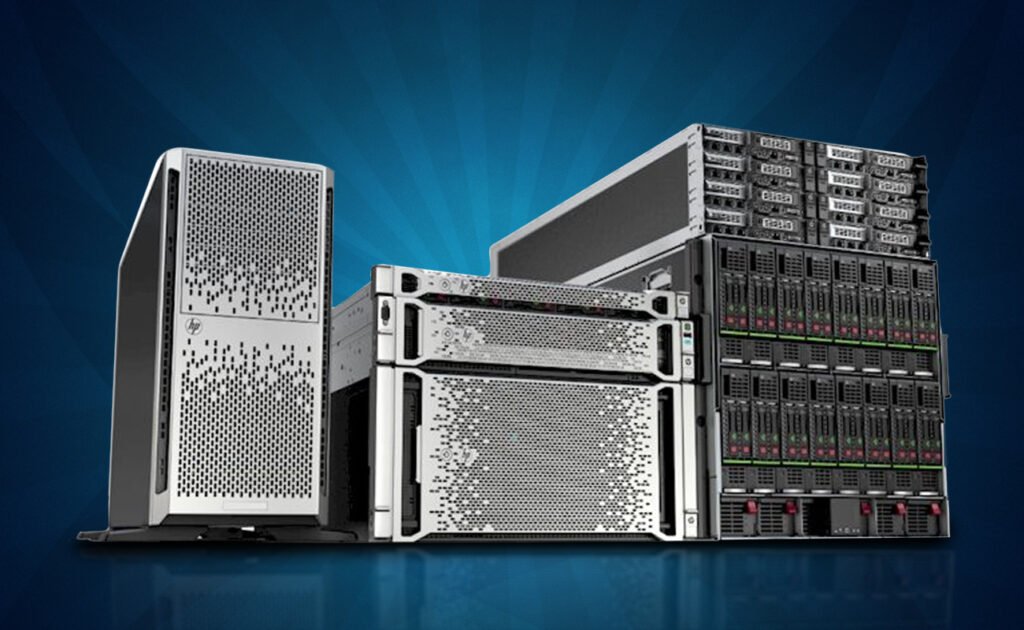
Why Companies Should Sell Old Servers and Network Devices
Why Businesses Are Now Selling Their Old IT Hardware
In today’s rapidly evolving IT landscape, companies across Egypt and the Middle East are upgrading their infrastructure faster than ever. As organizations adopt cloud platforms, virtualization, and high-performance data center technologies, older servers, switches, and network devices often become idle assets.
Instead of letting outdated equipment gather dust in storage rooms, more businesses are choosing to sell old servers and network devices, unlocking hidden value while improving operational efficiency and reducing long-term risks.
The Hidden Costs of Keeping Old Servers
Even if legacy servers are no longer in use, they still generate significant expenses. These costs include:
-
Power consumption for devices left running
-
Ongoing cooling requirements
-
Storage space in the data center
-
Maintenance agreements or spare-parts stock
-
Security risks from outdated firmware
Choosing to sell old servers and network devices eliminates these unnecessary expenses and redirects budget toward modern, high-value IT investments.
How Selling Old Servers Supports Digital Transformation
Businesses upgrading from traditional on-premise infrastructure to cloud or hybrid environments often experience hardware redundancy.
Selling outdated servers helps companies:
-
Reinvest in modern technologies
-
Accelerate cloud migration
-
Improve scalability
-
Increase infrastructure efficiency
This approach aligns perfectly with digital transformation strategies across enterprises, making it essential to sell old servers and network devices at the right time.
Recover Capital and Improve Cash Flow
Old IT equipment still holds market value. Many resellers, refurbishers, and global IT brokers purchase used servers, switches, firewalls, and accessories.
By choosing to sell old servers and network devices, companies can recover up to 20–40% of the original equipment cost, depending on age and condition.
This recovered capital can be redirected to:
-
New server purchases
-
Network infrastructure upgrades
-
Expanding storage capacity
-
Cybersecurity enhancement projects
Instead of allowing idle equipment to depreciate, selling ensures maximum value extraction.
Reduce E-Waste and Support Sustainability
Disposing of old servers improperly contributes to global e-waste.
Selling old hardware extends the lifespan of devices through refurbishment and reuse.
Environmentally conscious organizations benefit by:
-
Reducing carbon footprint
-
Supporting the circular IT economy
-
Complying with ESG standards and green policies
Choosing to sell old servers and network devices is not just financially smart — it’s also environmentally responsible.
Improve Data Security Through Proper Asset Disposal
Keeping old servers in storage increases the risk of data leakage.
Selling devices through certified IT asset disposal (ITAD) vendors ensures:
-
Secure data wiping
-
Full compliance with international standards
-
Destruction and audit reports
This guarantees that no sensitive customer or business information remains exposed.
Secure ITAD is another strong reason to sell old servers and network devices instead of storing them.
Free Up Physical Space in the Data Center
Outdated devices often occupy valuable rack space that could be used for:
-
High-density blade servers
-
Modern rack servers with improved power efficiency
-
Enterprise storage systems
Selling unused equipment helps optimize the data center layout, improve airflow, and reduce clutter — all while supporting scalable infrastructure planning.
Avoid Depreciation and Value Loss
The longer companies keep unused hardware, the faster it loses market value.
By acting early and choosing to sell old servers and network devices, businesses gain the highest return before hardware becomes obsolete or unsupported by vendors.
Support Small and Medium Businesses with Affordable Hardware
When enterprises sell their old equipment, SMBs and startups benefit from access to:
-
Refurbished servers
-
Network switches
-
Security appliances
-
Storage units
This strengthens the secondary IT market and supports technology growth in the region.
Your unused hardware becomes a valuable resource for smaller organizations that need enterprise-grade solutions at reduced cost.
A Smooth and Hassle-Free Selling Process
Today, companies can easily sell old servers and network devices through:
-
ITAD partners
-
Global IT resellers
-
Local refurbishing companies
-
Online B2B marketplaces
These vendors handle:
-
Pickup and logistics
-
Testing and refurbishment
-
Secure data wiping
-
Instant valuation and payment
This makes the selling experience fast, secure, and operationally simple.
When Should a Company Sell Its Old Servers?
Businesses should consider selling hardware when:
-
Warranty and OEM support have expired
-
Performance no longer meets workload needs
-
Energy consumption is too high
-
Migration to cloud is complete
-
Refresh cycles occur (3–5 years)
-
Hardware is incompatible with modern applications
These moments offer the best opportunity to sell old servers and network devices and maximize return.
Key Devices Companies Commonly Sell
Many organizations choose to sell:
-
Rack servers (Dell, HP, Lenovo, Cisco UCS)
-
Tower servers for small offices
-
Blade chassis and blade servers
-
Network switches (Cisco, Juniper, Aruba)
-
Firewalls and security appliances
-
Routers and wireless controllers
-
SAN and NAS storage units
Any device that no longer supports business productivity becomes a candidate for resale.
How Selling Old Servers Reduces Operational Complexity
Managing mixed-generation hardware increases complexity.
By choosing to sell old servers and network devices, companies simplify their IT environment, reduce administrative overhead, and maintain cleaner, more efficient infrastructure.
Increase Energy Efficiency with Modern Replacements
Legacy servers consume significantly more power.
Organizations that sell old servers and network devices can shift to energy-efficient models that lower monthly operating costs and improve sustainability.
Improve Infrastructure Performance by Removing Inefficient Devices
Old servers create performance bottlenecks.
Selling them allows companies to deploy faster, more capable systems designed for virtualization, cloud workloads, and modern database performance.
Reduce Security Vulnerabilities from Unsupported Equipment
Unsupported firmware leaves networks exposed to cyberattacks.
Companies that sell old servers and network devices reduce these risks by removing outdated hardware and replacing it with secure, up-to-date alternatives.
Improve Asset Management and Inventory Accuracy
Selling unused equipment helps organizations:
-
Clean outdated asset records
-
Improve lifecycle management
-
Maintain accurate inventory
-
Reduce compliance risks
This ensures full visibility across all IT assets and strengthens governance.
The Business Case: Why Selling Makes More Sense Than Storing
Selling outdated devices delivers:
-
Financial return
-
Stronger security
-
Better energy efficiency
-
Reduced e-waste
-
Improved data center organization
-
Lower long-term costs
Keeping old servers provides no business value — selling them creates immediate value and supports future growth.
Conclusion: Turn Old IT Hardware Into Profit
Selling old servers and network devices is no longer optional — it is a strategic business decision.
Whether you are upgrading infrastructure, modernizing data centers, or expanding cloud capabilities, selling unused equipment unlocks cash, improves performance, reduces risks, and supports environmental responsibility.
Companies that proactively sell old servers and network devices gain higher returns, stronger operational efficiency, and a competitive advantage in today’s fast-moving digital environment.