
Why Companies Sell Their Used Servers Instead of Scrapping Them
Unlocking Hidden Value from Old Servers
In today’s fast-paced IT landscape, businesses regularly upgrade servers to meet increasing performance demands, cloud adoption, and virtualization needs. Instead of simply discarding old servers, many organizations now ask why companies sell their used servers instead of scrapping them.
Selling used servers provides financial, operational, and environmental benefits, transforming idle equipment into valuable assets while reducing waste and risk.
The Hidden Costs of Scrapping Servers
Scrapping servers without exploring resale options comes with hidden costs:
-
Loss of potential revenue: Enterprise-grade servers retain resale value even after years of use.
-
Environmental impact: Disposing of servers contributes to e-waste and carbon footprint.
-
Data security risks: Improper disposal can expose sensitive data stored on hard drives or SSDs.
-
Operational inefficiency: Scrapping servers doesn’t free up usable resources in a structured, documented manner.
Understanding these costs highlights why resale is a smarter choice for businesses.
Recover Capital from Decommissioned Hardware
One of the main reasons why companies sell their used servers instead of scrapping them is the ability to recover financial value. Reselling servers, storage devices, and network equipment allows businesses to:
-
Reinvest in modern infrastructure
-
Offset the cost of cloud migration or server upgrades
-
Fund cybersecurity improvements or additional storage
-
Support IT refresh cycles without new capital expenditure
Even older servers from Dell, HPE, Lenovo, IBM, or Cisco can command substantial secondary market prices.
Free Up Data Center Space and Reduce Operational Costs
Unused servers occupy valuable rack space, increase energy consumption, and add complexity to data center management. Selling old servers:
-
Frees up physical space for new, high-performance equipment
-
Reduces energy and cooling costs
-
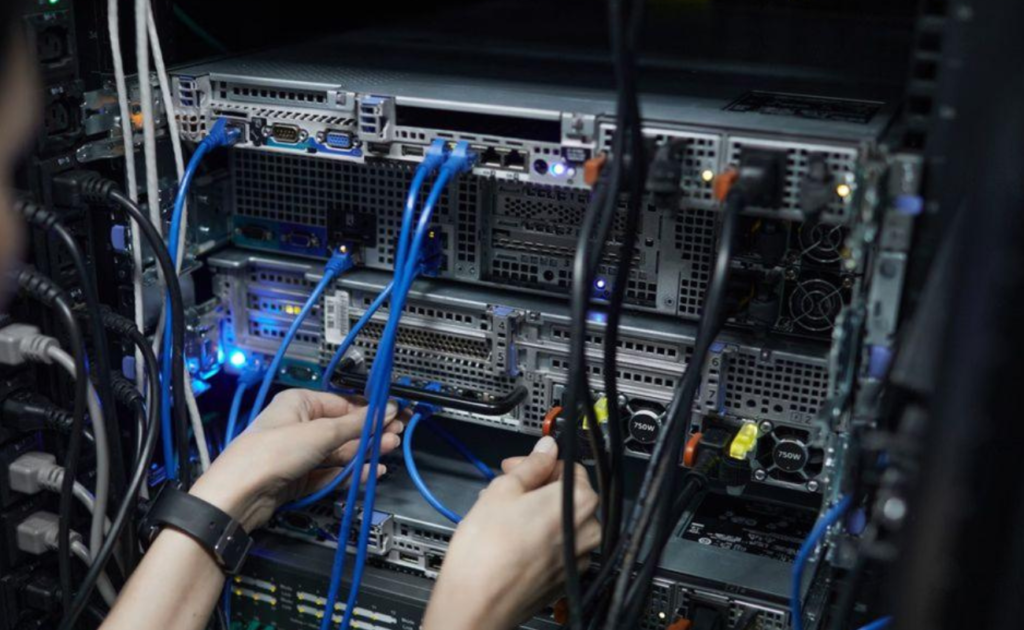
Simplifies cable management and rack organization
-
Improves airflow and system reliability
These operational benefits are a strong incentive to resell rather than scrap.
Enhancing Data Security During Server Disposal
Data security is a top concern when decommissioning servers. Why companies sell their used servers instead of scrapping them often relates to secure handling practices:
-
Certified IT Asset Disposition (ITAD) vendors ensure proper data wiping
-
Secure erasure or physical destruction of storage drives
-
Compliance with GDPR, HIPAA, and other data protection regulations
-
Documentation and certificates of destruction for audits
This ensures sensitive business and customer information remains protected.
Supporting Sustainability and Responsible IT Practices
Modern enterprises prioritize environmental responsibility. Selling servers supports sustainability by:
-
Extending the useful life of hardware through refurbishment
-
Reducing electronic waste in landfills
-
Promoting the circular economy within the IT industry
-
Aligning with corporate ESG (Environmental, Social, and Governance) initiatives
Reselling servers is a green alternative to scrapping, making it a key consideration for corporate responsibility programs.
Benefits for Small and Medium Businesses
Secondary markets benefit smaller organizations that need reliable, affordable hardware. When companies sell servers instead of scrapping them:
-
SMBs gain access to enterprise-grade servers at lower costs
-
Startups and educational institutions can scale infrastructure affordably
-
Technology remains in use rather than wasted
This creates an ecosystem of mutual value between larger enterprises and smaller businesses.
How the Selling Process Works
Why companies sell their used servers instead of scrapping them also comes down to convenience:
-
Inventory assessment: List servers, storage, and network devices
-
Secure data wiping: Use ITAD vendors for compliance
-
Vendor selection: Choose certified resellers or online marketplaces
-
Logistics and pickup: Vendors handle collection and transport
-
Payment and reporting: Receive funds and documentation for auditing
The process is straightforward, making resale a practical and profitable choice.
Avoiding Common Pitfalls
To maximize value, businesses should avoid mistakes like:
-
Selling hardware with sensitive data still on drives
-
Ignoring market value trends or obsolete hardware
-
Partnering with non-certified vendors
-
Overlooking environmental compliance or recycling requirements
Proper planning ensures both financial and operational benefits.
Conclusion: Turning Old Servers Into Strategic Assets
Why companies sell their used servers instead of scrapping them comes down to strategy. Resale:
-
Unlocks financial return from idle assets
-
Protects sensitive data through certified disposal
-
Improves data center efficiency and reduces operational costs
-
Supports sustainability and corporate responsibility
Rather than letting servers lose value in storage or landfills, selling them transforms old IT hardware into valuable resources, strengthening IT lifecycle management and overall business performance.
Organizations that embrace server resale gain both financial and operational advantages while supporting a more sustainable, secure, and efficient IT environment.